Mitzu vs. Heap
Embracing the power of warehouse native product analytics
Top 3 challenges Heap users are facing
Rising costs
The rising cost of third-party analytics tools like Heap, Amplitude or Mixpanel.
Maintaining data consistency
The challenges of maintaining data consistency when using a numerous different third-party data and analytics tools.
Business scale
Traditional tools like Heap have paved the way in product analytics, but they often fall short when businesses scale and data complexity increases.
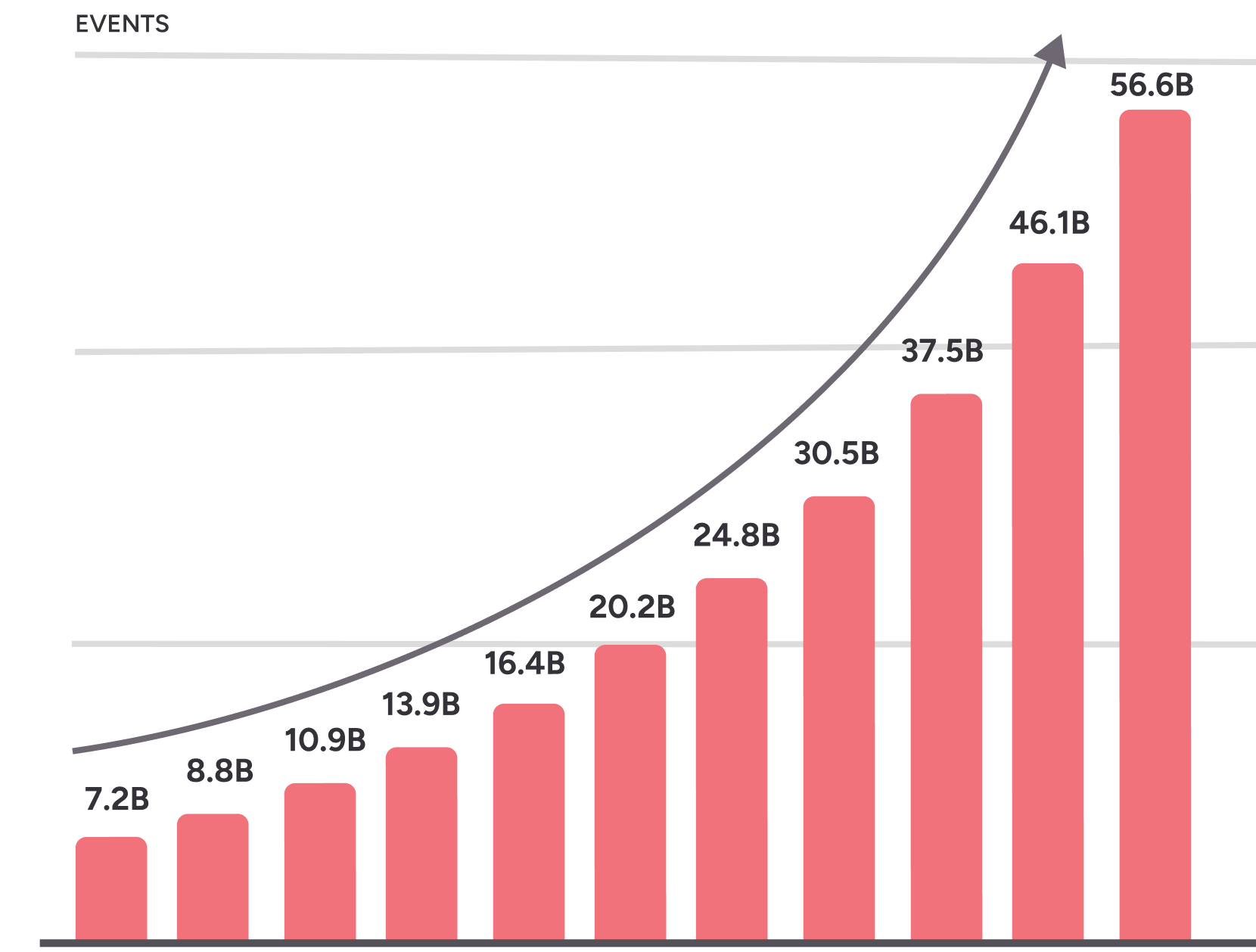
Scale analytics without limits
Grow your analytics capabilities as your data volume increases, eliminating duplication and reducing infrastructure costs.
Why warehouse-native analytics matters
Leverage existing data infrastructures
Connect Mitzu directly to your data warehouse to unlock more value without extra tools or complexity.
Reliable and accurate data from your data warehouse
Eliminate data silos and align your team with a single source of truth by syncing directly with your data warehouse for simpler analytics and better governance.
Real-time insights, zero lag without extra cost
Accelerate decision-making with direct warehouse data access, reducing time-to-insight and enabling swift responses to market changes.
Mitzu vs Heap
A comparative analysis
| Features | Mitzu | Heap |
|---|---|---|
| Comparison | ||
Integration and Infrastructure How easily does the tool integrate with your existing data infrastructure? | Rapid integration with your data warehouse, minimizing developer workload. | Needs extra integration effort and reverse ETL tooling, increasing complexity and costs for larger companies. |
Pricing Structure How transparent and scalable is the pricing model? | Seat-based pricing supports growth without steep cost increases, with transparent, predictable rates. | Initially affordable, but may become costly, especially when expanding historical data access. Multiple aspects can drive up costs. |
Data Accessibility What types of data can you analyze and how far back can you go? | Analyze product, marketing, and financial data from your warehouse, leveraging front- and backend sources with unlimited historical access for comprehensive insights. | The focus is on product data only. This makes it extremely challenging (even if feasible) to bring in other kinds of data (eg. monetization). Data capture only works for front-end events. Limits access in basic plans, which can hinder long-term data analysis strategies. |
Flexibility and Control How much control do you have over your data? | No vendor lock-in, data stays in your warehouse, giving you full flexibility to change analytics tools anytime. | Requires sending user data to its servers, which can limit flexibility and control over data. |
Analytical Transparency Can you see and verify the underlying queries? | Beyond being able to access all your event data, it also allows you to tweak your analysis further. It offers an open environment where users can see and verify the SQL queries, enhancing trust and understanding. | Standard analysis is usually fairly straightforward but once you hit a wall, it's challenging to dig further. Thus it's less transparent, often requiring external support to address data issues. |
Ready to switch to warehouse-native analytics?
Get started with Mitzu today and experience the power of analyzing data directly from your warehouse.