TL;DR
How to turn warehouse data into trustworthy AI-driven insights using semantics, transparency, and governance loops. AI insights from warehouse data are only as good as the semantic layer behind them.
AI insights from warehouse data are only as good as the semantic layer behind them. Teams that standardize business entities, expose SQL, and close feedback loops produce more reliable decisions. This extends ideas from warehouse-native analytics benefits.
Reference architecture
- Warehouse connector
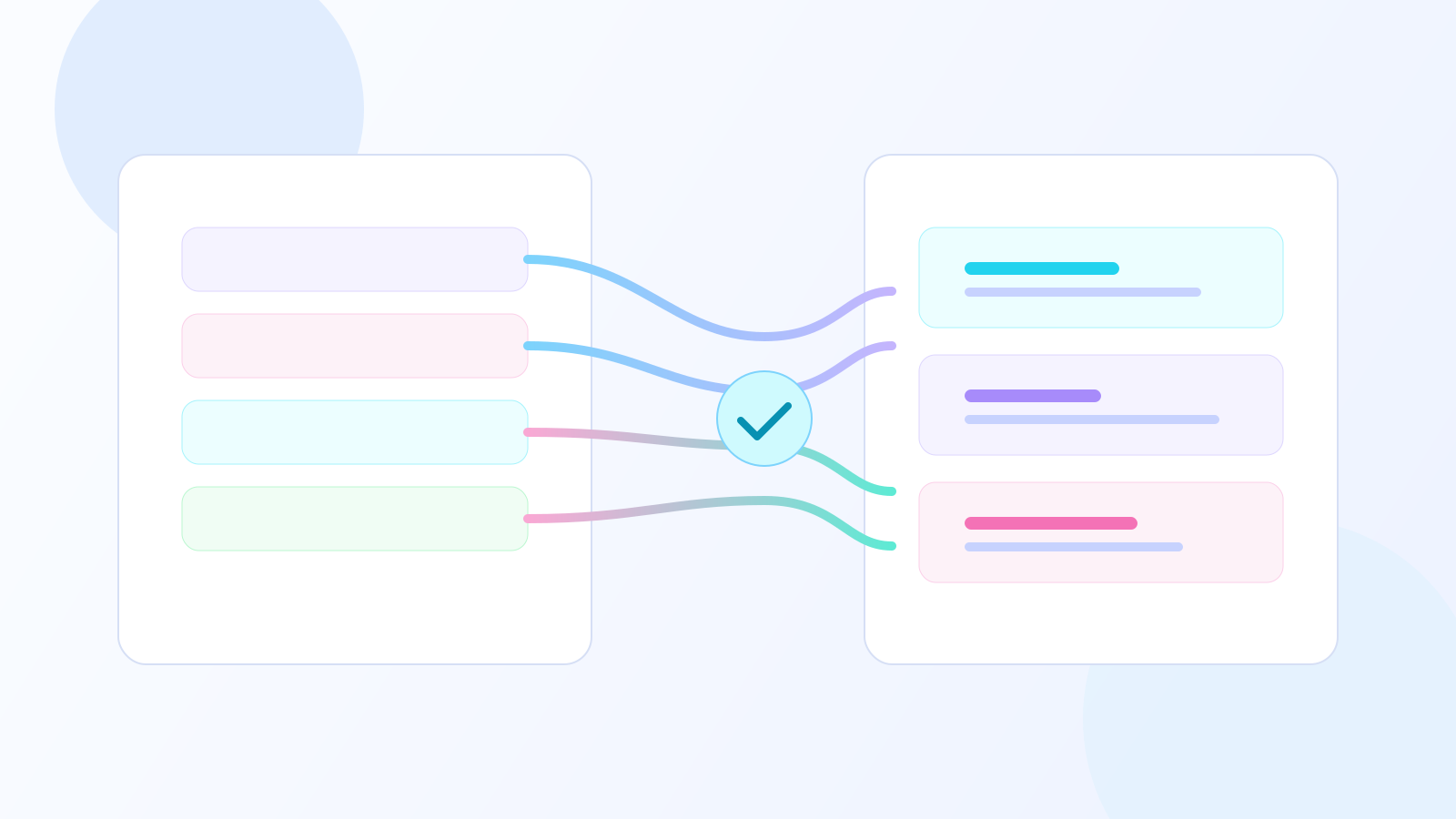
- Semantic mapping for entities and KPIs
- NL-to-SQL layer
- Execution and validation workflow
- Monitoring and anomaly loop
Stats block
- AI-enabled decision support is moving from pilots to production in many organizations.
- Governance frameworks stress human oversight for high-impact decisions.
- Warehouse-native execution minimizes data duplication risk for analytics systems.
Authority quote
"Semantic clarity is the prerequisite for scalable AI analytics."
Internal backlinks
- Snowflake AI analytics guide
- BigQuery AI analytics guide
- AI analytics buyer capabilities
- Warehouse-native analytics page
To operationalize this model, assign a semantic owner and a review owner from day one. Capture attribution through this referral demo URL.
Sources
FAQ
What are AI insights from a data warehouse?
They are answers generated from warehouse data using semantic definitions and validated query logic.
Do we need a semantic layer?
Yes. Without semantic definitions, natural-language analytics often drifts into inconsistent metric interpretations.